
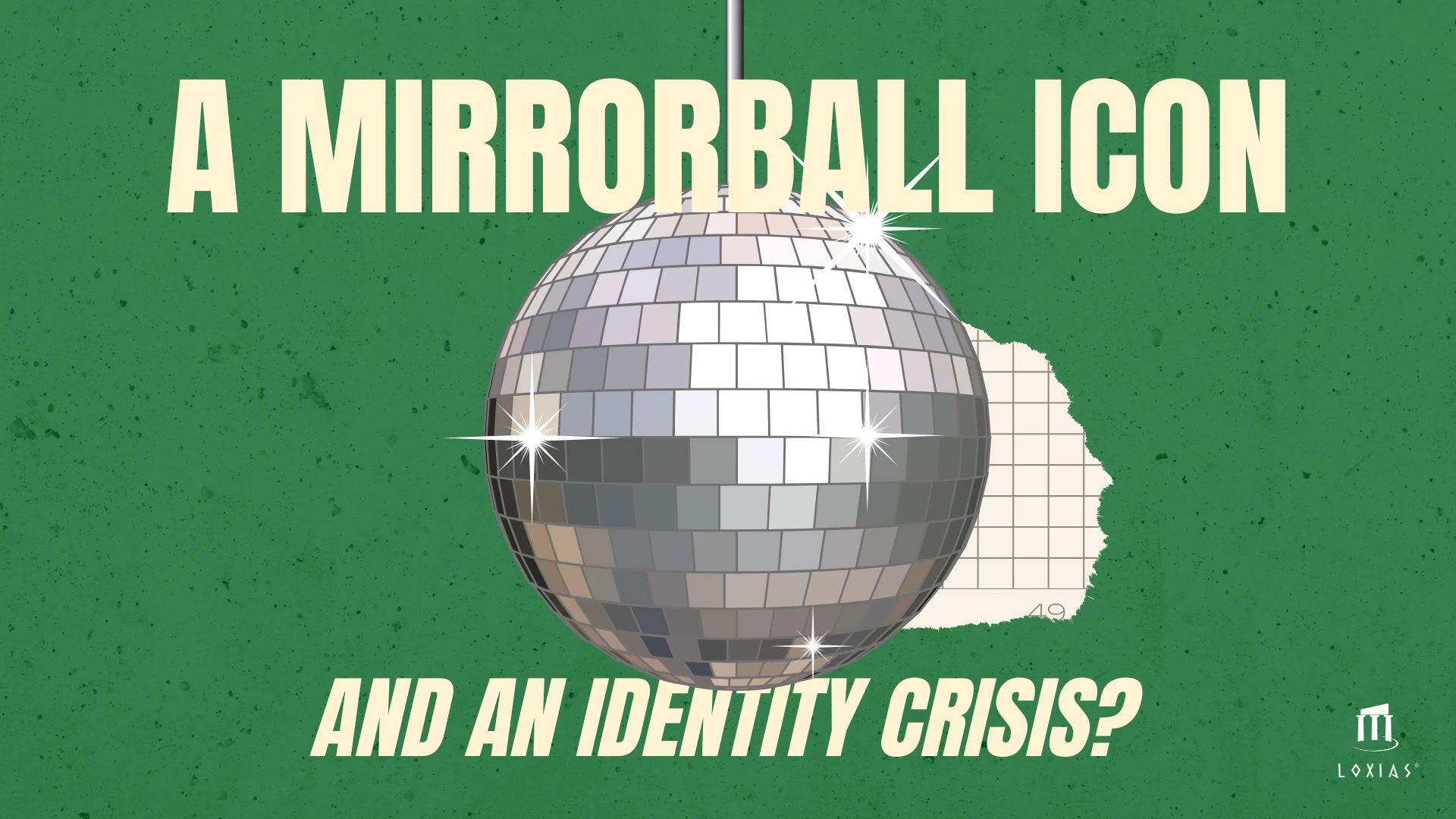
When does a subtle, celebratory visual update transform into a case study in global reputational pressure?
Recently, a major global streaming platform temporarily updated its iconic mobile app icon to a shiny disco ball version to celebrate a significant anniversary. What was designed to be a shareable cultural marketing moment quickly triggered a massive wave of public scrutiny across social platforms.
At Loxias, our intelligence team tracked this digital narrative using advanced social media intelligence tools. The data reveals a fascinating collision between corporate visual experimentation and everyday consumer routine.
The Data Behind the Noise
The shift in consumer sentiment wasn’t just quiet dissatisfaction, it was a highly visible, viral conversation that rapidly moved across digital communities between May 11 and 18, 2026.
According to public data harvested via the Brandwatch platform, the numbers behind the engagement reflect the massive scale of the conversation:
- The Volume: Global discussions surged to over 37.2K mentions, capturing 67.4M in reach and generating 45.1M impressions.
- The Epicenter: X (formerly Twitter) became the primary hub for consumer pushback, hosting 76.5% of the entire digital conversation.
- The Demographics: This debate was overwhelmingly driven by Gen Z (57%) and Millennials (37%), demographics with a deeply personal connection to digital aesthetics and platform interfaces.
The immediate impact on brand perception was measurable. The proprietary Loxias Brand Health Index for the platform experienced a 28.2% decline, dropping from a stable 7.2 down to 5.1 within days. Negative sentiment led the overall distribution at 39.3%.
The Strategic Insight: App Icons as Personal Real Estate
Why did a temporary icon change cause such a strong reaction? The answer lies in modern consumer behavior and digital culture.
For today’s users, the applications on their mobile phone screens are no longer just external software utilities. Instead, they function as part of their personal identity and daily digital environment.
When an organization possesses an exceptionally consolidated level of visual recognition, any sudden disruption, even a temporary commemorative one, is often perceived as a direct interference with the user experience.
High visibility discussions across social media and Reddit did not merely criticize the aesthetic of the mirrorball. Users focused heavily on the loss of instant recognition and daily usability, comparing the temporary look to generic or lower quality interfaces. 📊
The Core Lesson for Brands: Iconic visual assets do not belong solely to the corporate marketing department, they are co owned by the community’s habits. Before altering highly familiar visual anchors, organizations must carefully weigh cultural engagement against functional friction.
From Backlash to Collective Entertainment
Despite the initial wave of criticism, the narrative highlights a unique and reassuring strength of digital culture. As the days progressed, the conversation began a fascinating shift.
What started as pure frustration gradually transformed into internet humor. Troll posts, clever memes, and playful interactions emerged as other corporate brands began sharing their own logos adapted into the disco ball format.
Positive indicators started anchoring the conversation word cloud, transforming a potential crisis into collective entertainment. This evolution proves that culturally robust brands can see perception shifts stabilize when they step back and let the community steer the narrative.
Turning digital data into applied strategy
Understanding evolving digital narratives, audience behavior, and community dynamics is what transforms raw data into true business strategy. When brands choose to experiment, having real time visibility into audience sentiment determines the success of the execution.
Our concise OneShot Report delivers a complete data breakdown of this recent global visual identity debate, helping your team understand the fine line between creative engagement and user experience friction.
🚀 Download our report for free to access the full analysis